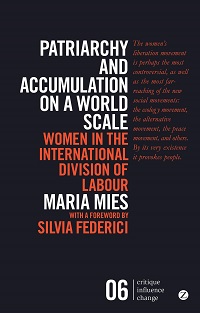
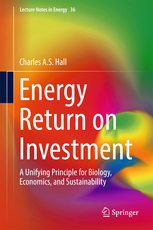
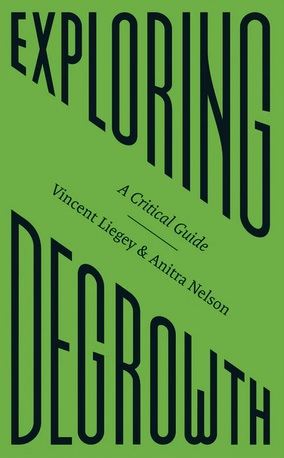
The mission of this web site is to collect and curate emerging research on global social/environmental justice issues, with especial focus on fostering human development, social justice, and ecological sustainability; and to publish a monthly update of selected articles and supporting data via the Mother Pelican Journal of Solidarity and Sustainability.
HUMAN DEVELOPMENT & INDUSTRIAL ECOLOGY
Integral human development includes all dimensions in the life of each person, including the physical, intellectual, psychological, ethical, and spiritual dimensions. In particular, the spiritual development of each and every human person is crucial for social/ecological justice. It is recognized that spiritual growth is impossible for people living in misery. The extreme poverty of many is mostly a consequence of irresponsible behavior by those living in abundance. Such behavior is fueled by surplus energy, modern energy-intensive technologies, and a patriarchal culture that is insensitive to the common good. The mission of Mother Pelican encompasses the full range of social and ecological justice issues, but is specifically focused on how they relate to industrial ecology and to the spirituality and the practices of various religious traditions. Gender inequalities that emerge from religious patriarchy are explored as major obstacles to human development, solidarity, and sustainability.
WORKING HYPOTHESIS
The patriarchal culture of control and domination is the root of all social and ecological violence. It corrupted the original unity of man and woman (cf. Genesis 3:16) and is now disrupting the harmony between humanity and the human habitat. Just as we are now aware that slavery and racism are moral evils, we must become aware that gender discrimination is a moral evil that must be eradicated if solidarity and sustainability are to be attained.
The need to reform patriarchal structures applies to both secular and religious institutions. Overcoming patriarchy is a "sign of the times" to the extent that it fosters authentic gender solidarity and nonviolence for the good of humanity and the glory of God. Given the enormous influence of religious traditions, it is especially critical for religious institutions to extirpate any semblance of male hegemony in matters of doctrine and religious practices.
MONTHLY UPDATES
Monthly updates of Mother Pelican are distributed free of charge via the
Solidarity-Sustainability distribution list. The monthly updates currently include the following:
Links to current research on solidarity-sustainability issues.
Several one-page articles on recently emerging research.
Recurring articles currently cover the following themes:
1. Advances in Social/Ecological Justice
2. Human Development Resources
3. Strategies for Solidarity and Sustainability
4. Best Practices for Solidarity and Sustainability
5. Fostering an Integral Human Ecology
6. Enhancing Gender Relations in Society & Religion
7. Cultural Evolution for Social & Ecological Justice
To view the first page of the current issue, click here.
RESEARCH AGENDA
The current research agenda is to examine all the significant dimensions of human development and industrial ecology in order to integrate the resulting multi-dimensional knowledge and make it available in a form suitable for use by human agency. The following modes of research are being used:
Review and analysis of current human development concepts, policies, and best practices.
Review and analysis of patriarchal structures of control and domination in secular and religious institutions.
Review and analysis of human behavior in response to economic growth-human development trade offs.
Sacred scriptures from various religious traditions are used as a point of reference.
The following are being explored as crucial ingredients for a civilized transition to a better future for humanity and the biosphere:
Education for life-style simplicity and adaptation to post-growth.
Governance guided by solidarity, subsidiarity, and sustainability.
Transition from consumerist growth to a steady-state economy.
Transition from population growth to demographic stability.
Energy usage and climate change mitigation/adaptation projects.
Net energy analysis and energy return on energy investment.
Implementation of carbon taxes and other pollution taxes.
Implementation of financial transaction/speculation taxes.
Shift from income/property taxes to land/resource value taxes.
Guaranteed basic personal income (conditional or unconditional).
Corporate social responsibility and triple bottom-line accounting.
Dismantling patriarchy and fostering gender equality in all institutions.
KNOWLEDGE TAXONOMY
Human solidarity and ecological sustainability issues span all dimensions of knowledge. A good knowledge organization model is this Knowledge Map:
THE 'SUSTAINABLE DEVELOPMENT' PARADOX
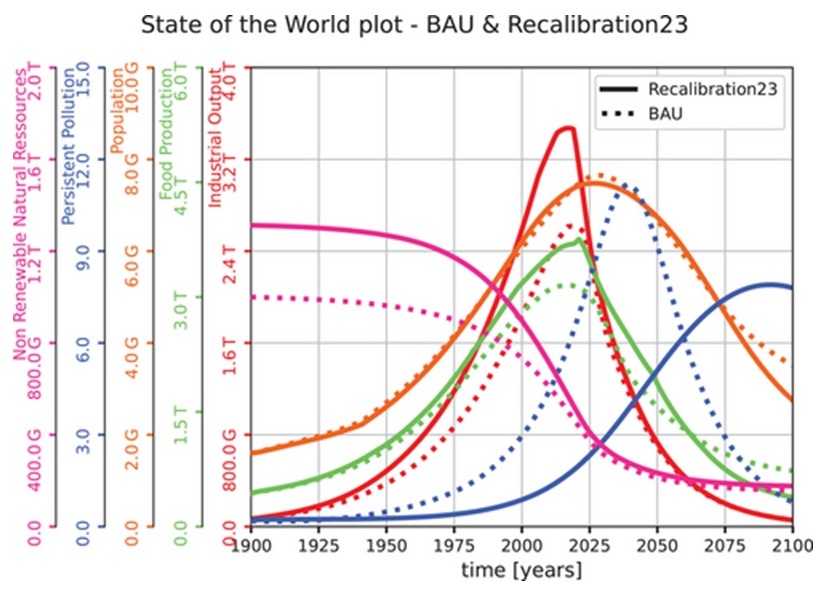
If 'sustainable development' means infinite population and consumption growth in a finite planet, it is an oxymoron. Even if human agency could switch policy priorities from growth to degrowth, or even stability, the concept of 'sustainable development' remains problematic.
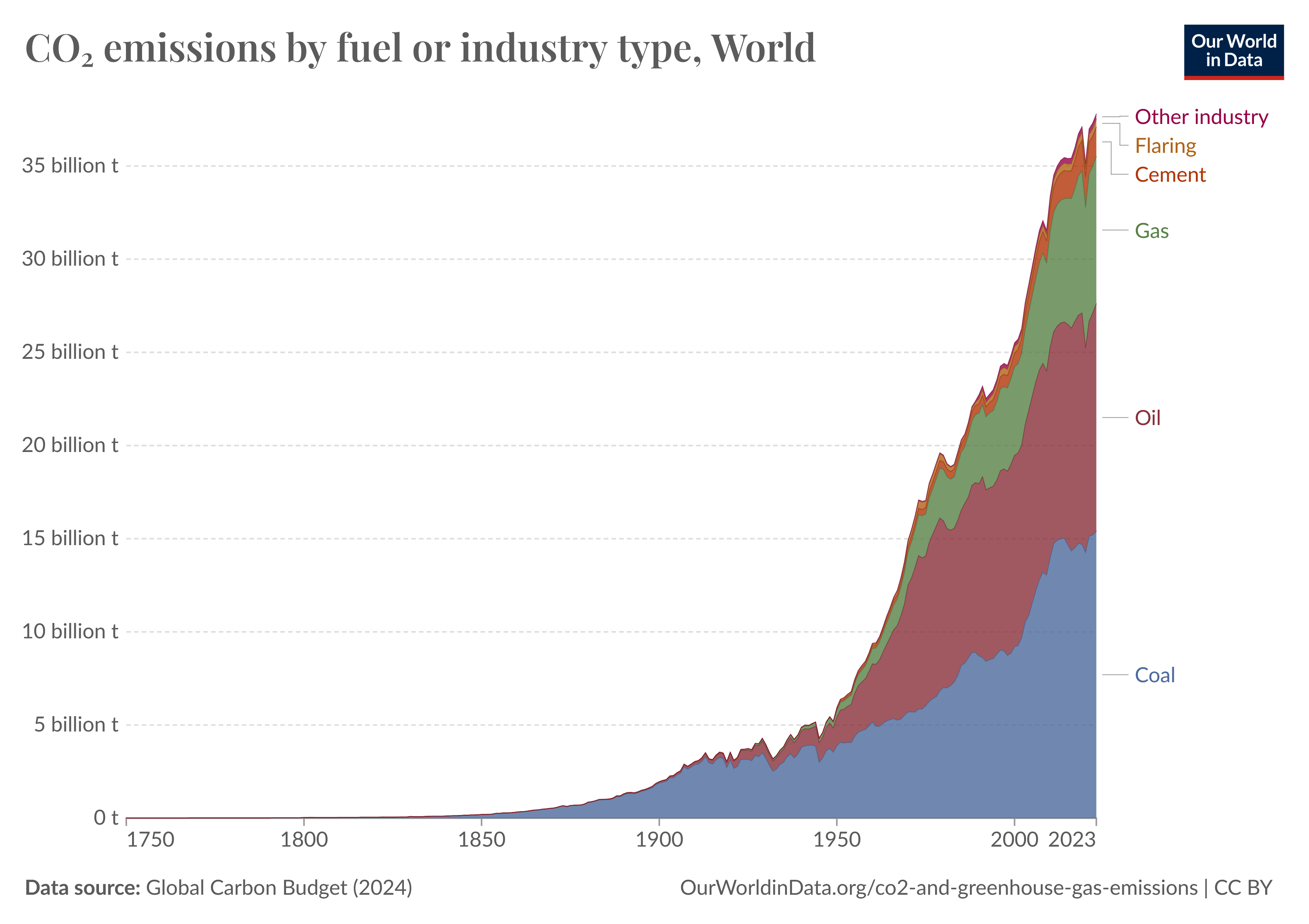
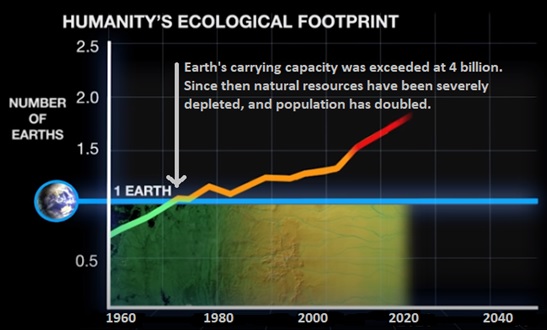
If population and consumption continue to grow indefinitely, natural resources will be depleted, pollution will reach saturation levels, and the human habitat will degrade so much that it will cease to support human civilization.
If population and consumption growth come to an end, the global economic-industrial-financial system will become dysfunctional and eventually will collapse with severe social repercussions at the local, national, regional, and international levels.
In other words:
Unending population and consumption growth will eventually destroy the human habitat.
Stabilizing and/or reducing population and consumption may lead to some steady-state material throughput in balance with the regenerative capacity of the biosphere, but nobody knows how to manage a transition from growth to steady-state, let alone from growth to degrowth.
The focus of this journal is to explore new horizons in the search for a new social order of solidarity and sustainability in harmony with the human habitat. Massive migration to other planets does not seem to be a realistic option, so humans will have to find ways to coexist with Mother Nature.
IMPACT = POPULATION x AFFLUENCE x TECHNOLOGY
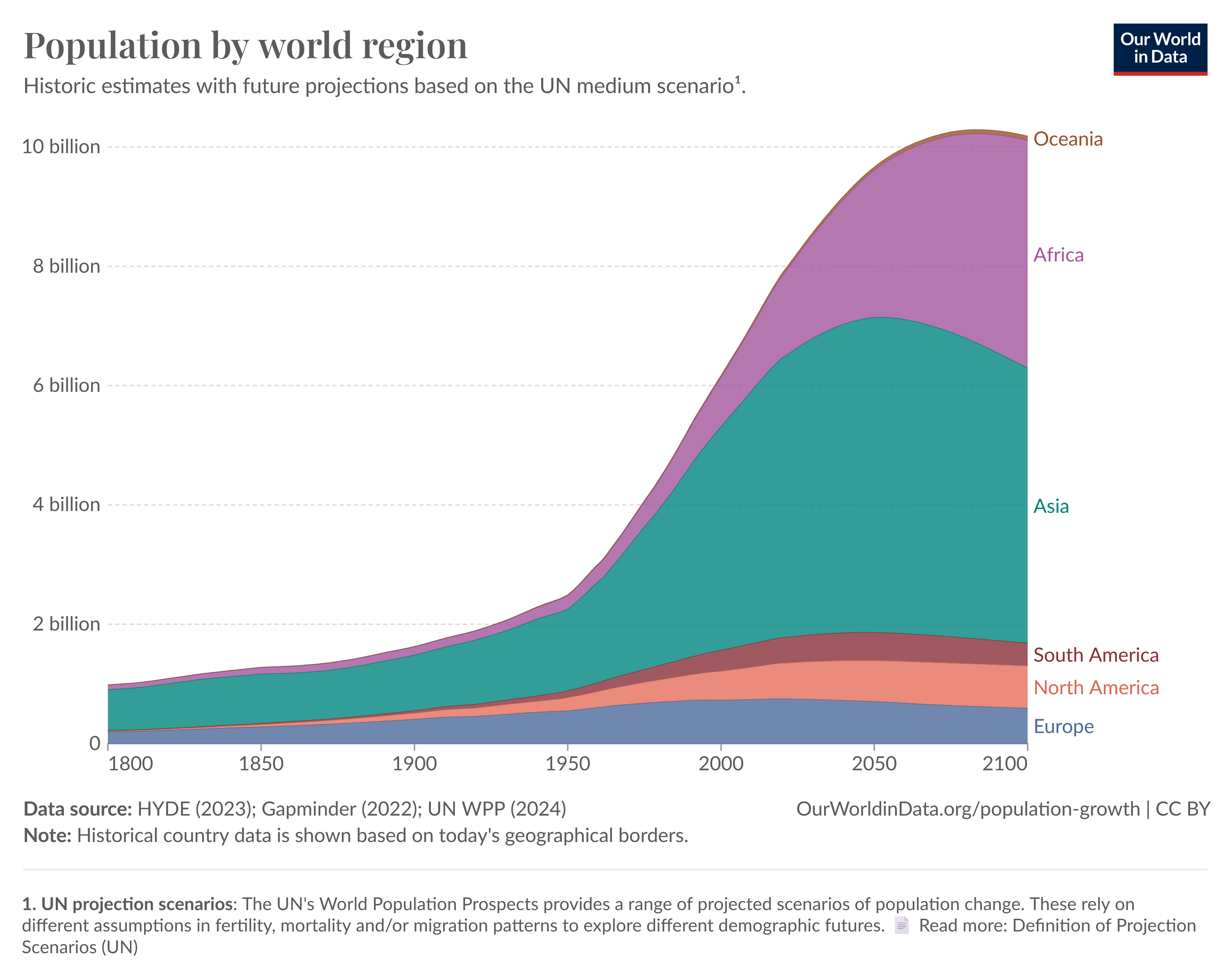
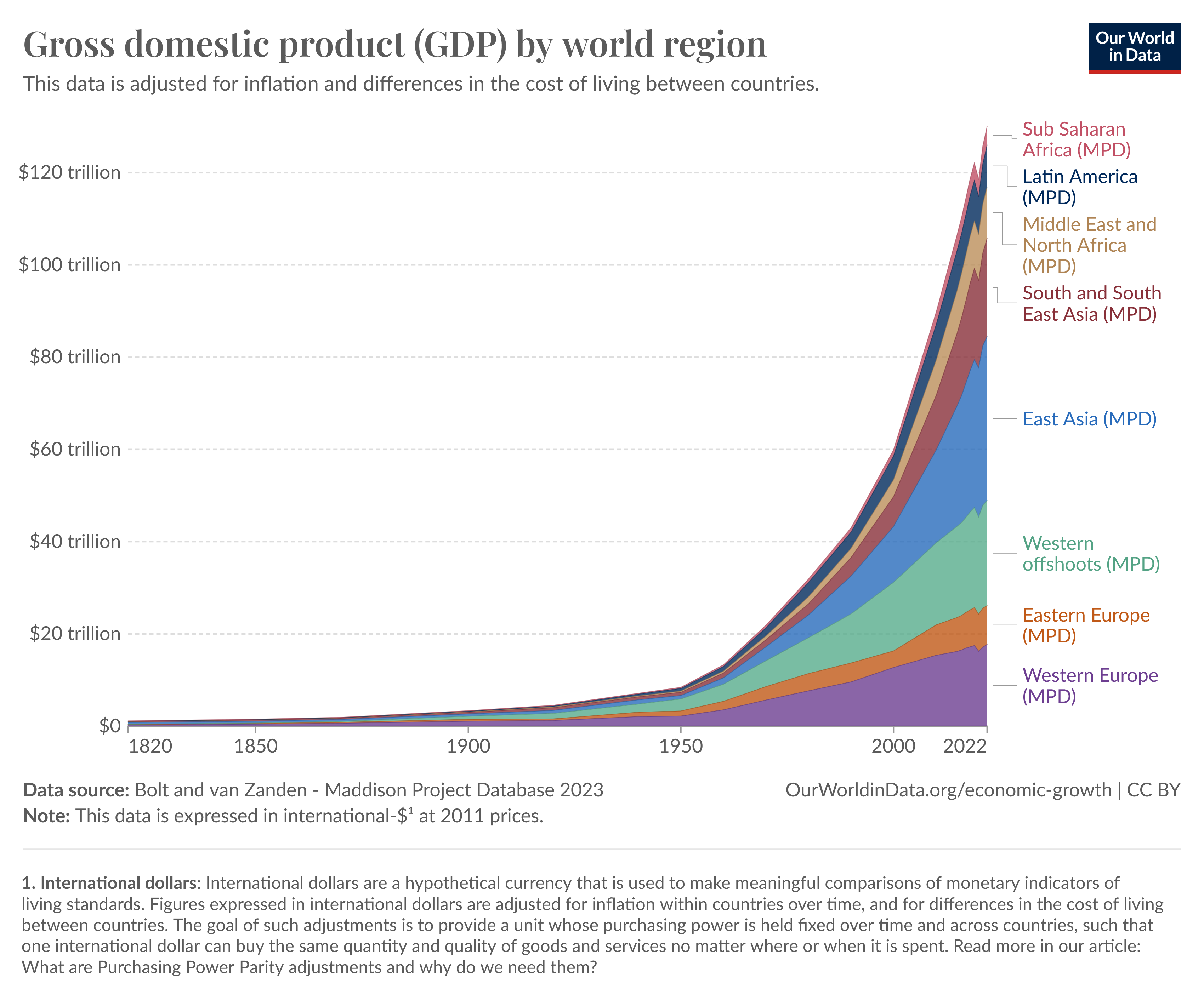
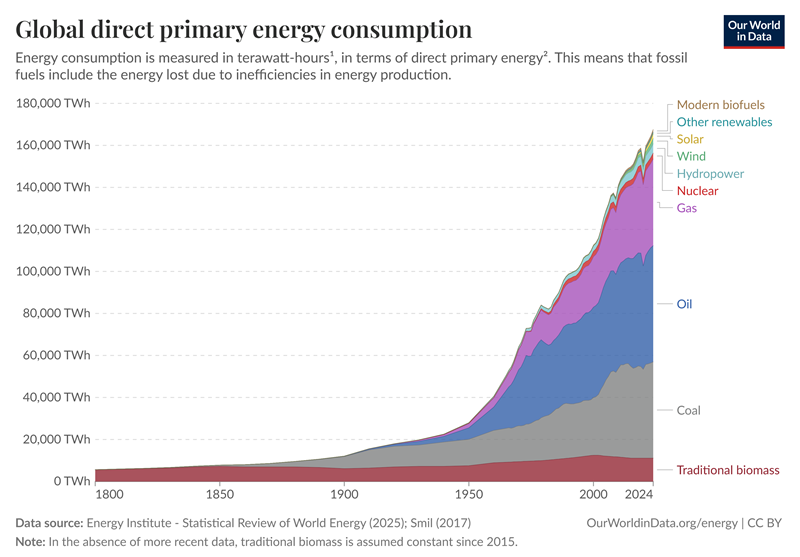
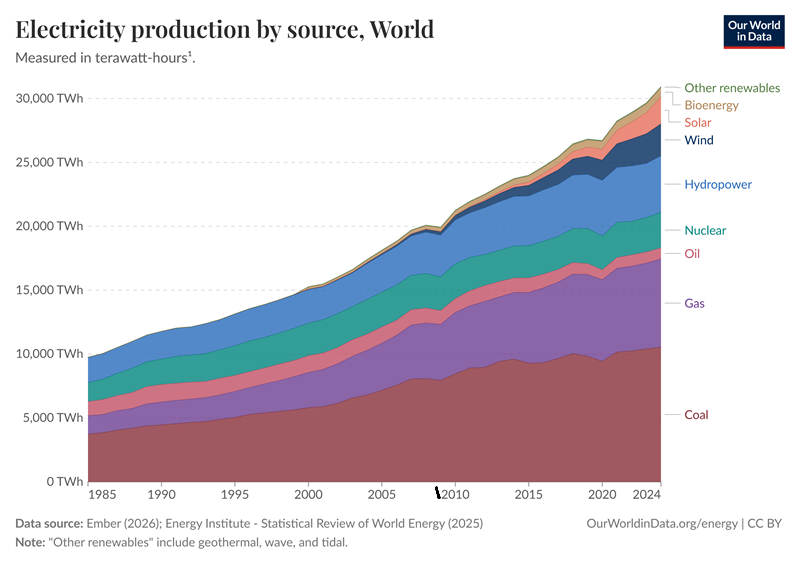
Following the logic of the general I=PAT equation, it is clear that global population growth is a decisive driver of global economic growth (the aggregate global affluence and consumption, increasingly not equitably distributed) and the environmental impacts of human agency (carbon and other greenhouse gas emissions, toxic waste) via the use of technologies to exploit natural resources. All technologies transform energy and increase entropy (disorder). The fact is that energy demand keeps growing as the human civilization grows. The human appetite for more energy/power seems to be insatiable. Actually, energy demand is growing faster than energy savings due to "green" techs. Renewable (solar, wind) energy sources are adding to available energy, not replacing fossil fuels. For a more specific application of the I=PAT equation, see the Kaya identity.
Breaking the Gridlock ~ Reimagining Cooperation in a Polarized World
2023/2024 Human Development Report
United Nations Development Program, 13 March 2024
ANCIENT SYMBOL
The vulning pelican is an ancient symbol of unconditional service. To be a "person for others" requires full awareness of the personal self and also requires sacrifice of the one who serves. The following excerpt from The Physiologus (the author is unknown, circa 4th century CE) captures this ideal:
"The long beak of the white pelican is furnished with a sack which serves as a container for the small fish that it feeds its young. In the process of feeding them, the bird presses the sack against its neck in such a way that it seems to open its breast with its bill. The reddish tinge of its breast plumage and the redness of the tip of its beak fostered the folkloristic notion that it actually drew blood from its own breast."
The author of The Physiologus found the action of the female pelican, interpreted in this manner, to be a symbol of merciful and sacrificial service and thus an apt symbol of Jesus the Christ (Cf. Matthew 23:37, Luke 13:34). While professing no affiliation to any specific religious body, the Mother Pelican journal is committed to the promotion of basic Christian values, human rights, social justice, balanced gender equality, and ecological sustainability.